Artificial intelligence in software development

Generating documentation\nwith AI

Norm-compliant, fast and traceable

Initial situation

Documentation in safety-critical systems

In industries such as rail transportation and manufacturing, traceable and norm-compliant documents are mandatory but time-consuming and error-prone.

Documentation, Standards and Liability

Rail Transportation

In the rail industry, documents are a central part of the safety case. Since they serve as the basis for homologation and tests, they must be traceable, complete, and norm-compliant. Relevant standards, such as EN 50716, define strict requirements for development processes, documentation obligations, and proof of evidence. Faulty or incomplete documentation can have far-reaching consequences: from project delays and missing approvals to liability risks during operation. Therefore, an enormous effort is often required to keep documents consistent and maintain them in a norm-compliant manner. However, these processes can be structured and made more efficient with AI-based tools – without compromising the high safety requirements.

Documentation, Standards and Responsibility

Industry

In industrial automation, similarly strict requirements apply to safety, reliability, and traceability. Standards such as IEC 61508 or ISO 13849 require precise documentation of all safety-relevant functions, development phases, and test results. These documents not only serve internal quality assurance but are also binding evidence towards certification bodies. Incomplete or inconsistent documentation can lead to significant liability risks in an industrial environment, especially if malfunctions could lead to plant shutdowns, production losses, or even personal injury. Therefore, the effort for clean, up-to-date, and norm-compliant documents is often very high. AI can assist by creating documents faster, updating them consistently, and reducing sources of error.

Document types

AI can help with these document types

In safety-critical projects, various document types are maintained – and required to be complete, consistent and in compliance with norms and standards. AI helps to recognize recurring structures and to generate or update content faster. This results in documentation that remains technically precise and requires less effort.

Requirements

AI can formulate, structure or derive requirements from notes and ensure consistent wording. This reduces misunderstandings and clarifies the basis for further development phases.

Architecture

AI can generate understandable texts about the structure, components, and interfaces from existing architecture models or descriptions. This facilitates both reviews and knowledge transfer within the project team.

Design

Design decisions, patterns and technical background can be described automatically and documented consistently. This makes it easier to continuously update the document during development.

Test Specification

Based on requirements, rules, and examples, AI can generate test specifications that serve as the basis for black-box or integration tests. This saves time and ensures a uniform structure.

Core Goals

More complete and
up-to-date documentation

Less effort for
creation and maintenance

Input

What the AI needs

For AI to generate reliable documents, it needs a clear understanding of project content, standards, and system structures. The more comprehensive and precise the information provided is, the better the quality and consistency of the generated documentation will be.

Architecture & system descriptions
Project notes
Comparable projects
Norms & guidelines
Glossary
Request now

Test AI documentation with codewerk

Experience how quickly and accurately AI can create and update technical documents: test our example setup and see how much time can be saved.

Model-based software engineering for the vehicle control unit

GETTING THERE FASTER

We speed up the development and validation of vehicle control software using model-based software engineering.

DEVELOPMENT OF IOT AND EDGE APPLICATIONS

FOR SMART RAIL OPERATIONS

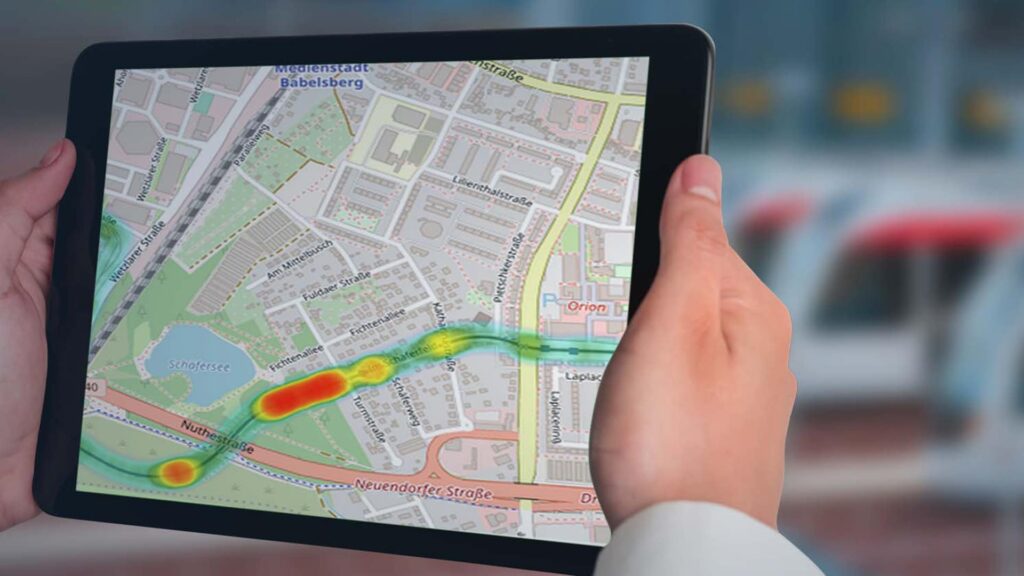
By monitoring “health states,” identifying optimization potentials in the network, and enabling predictive maintenance, our application development transforms your data into knowledge.

Subsystem integration for the vehicle control unit and operator network

SO IT ALL WORKS TOGETHER

When subsystem integration is performed for the vehicle control unit and operator network, we take full responsibility for combining multivendor architectures to form a functioning whole.

Innovations

WE’RE SHAPING THE FUTURE

We play an active role in both national and international research projects that are working to prepare rail vehicle technology for the challenges of future decades.

Development of a basic system

BASIS FOR THE FUTURE

By participating in international standardization projects, we’re contributing to the creation of a highly expandable and modular basic system of the future.

Device integration for SIMATIC PCS 7 / SIMATIC PCS neo

YOUR COMPONENTS IN A LEADING POSITION

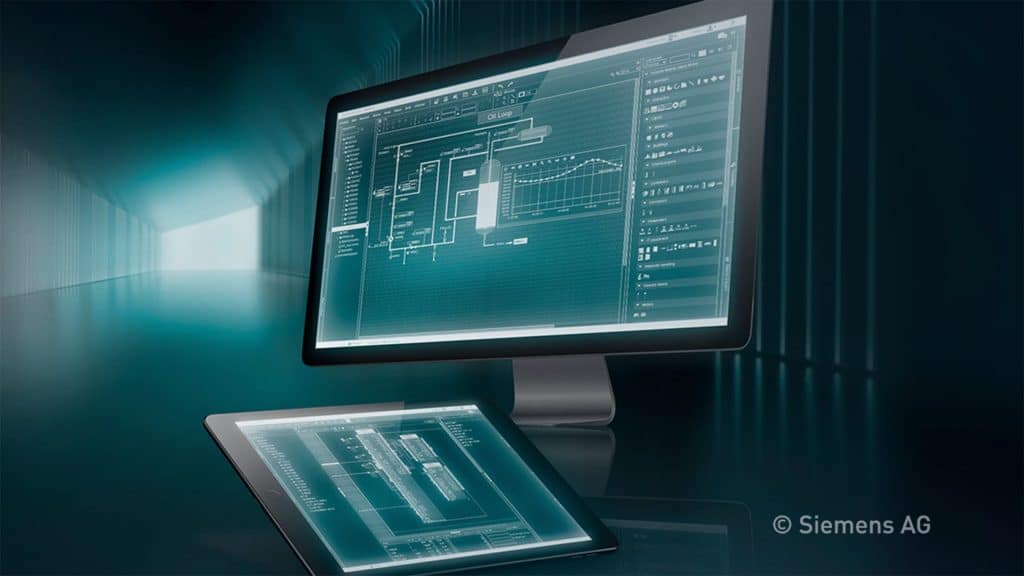
Siemens’ SIMATIC PCS 7 and SIMATIC PCS neo control systems are leaders in the process industry. We take responsibility for a seamless, system-compliant integration of your products or third-party components.

PROFINET Stack Integration

WE HELP YOU MAKE IT TO THE BIG LEAGUES

You want to integrate PROFINET into your chips or devices – we handle the modification of the relevant stacks as part of a carefree package for you – right up to certification.

System integration for industrial communication

SO THAT NO DATA-POINT IS LOST

Whether it’s PROFINET, OPC UA, MQTT, or applications based on them, we take on the complete integration of products for industrial communication into your system environment.

Development of IoT and edge applications

DATA BECOMES THE BASIS FOR DECISION-MAKING

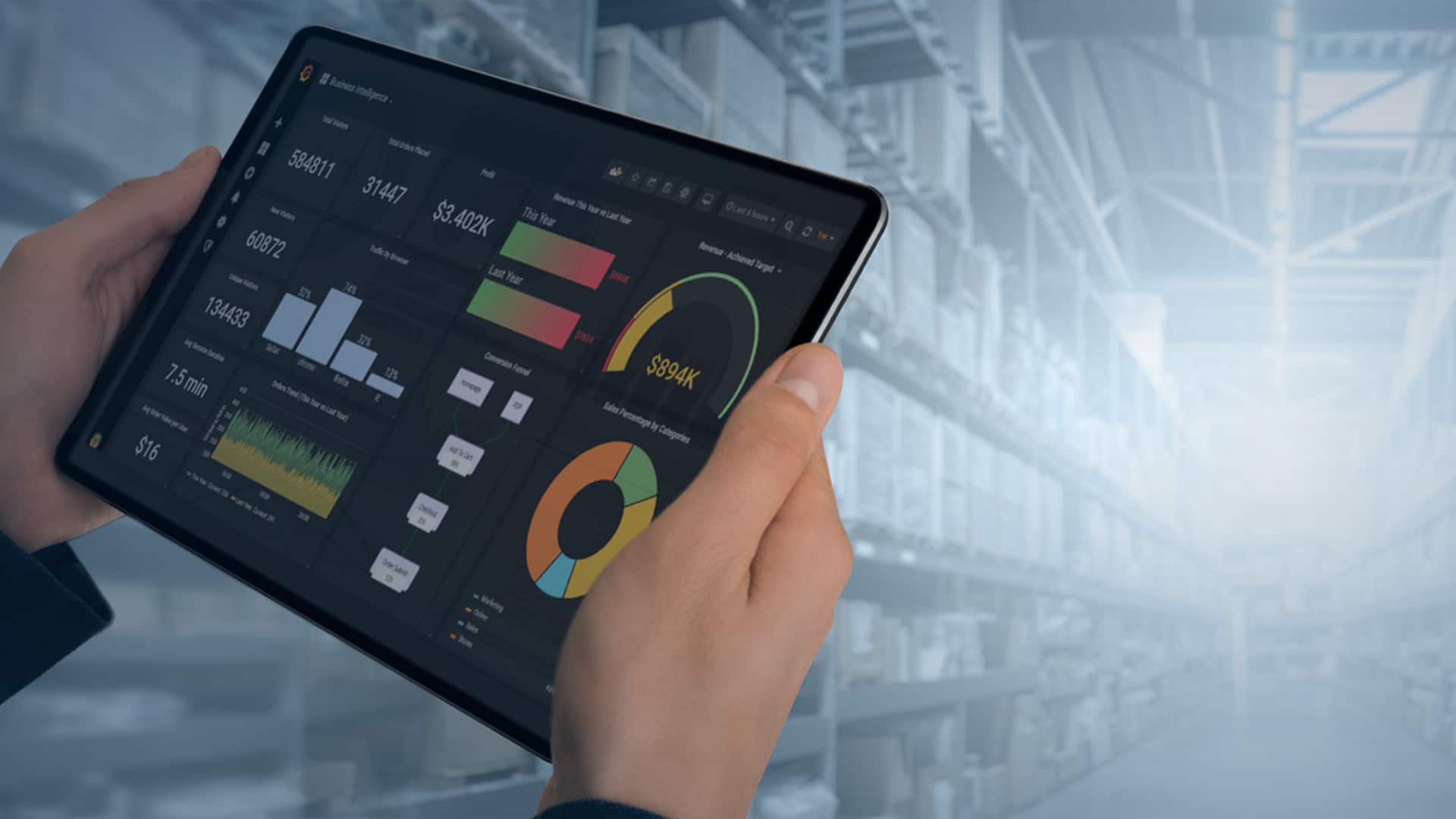
You want to turn big data into smart data. We’ll build your application – from data acquisition (connectivity) and data transmission to data evaluation and utilization.

IO-LINK LIBRARY FOR SIMATIC PCS 7/SIMATIC PCS NEO

Secure point-to-point connections in industry are relatively easy to implement with the right IO-Links. We offer you the right driver so that integration is in full compliance with the system.

TURCK Remote IO FOR SIMATIC PCS 7

The system-compliant connection of TURCK systems to the SIMATIC PCS 7 process control system doesn’t have to be time-consuming. Our function block library ensures maximum convenience at the user end.

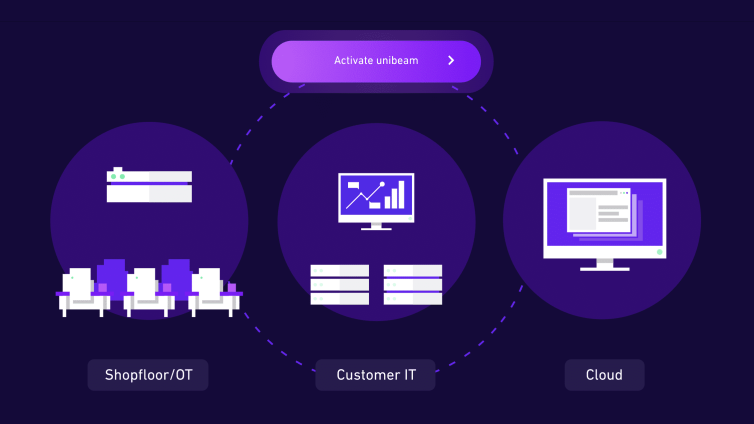
unibeam. - And suddenly it's all Smart Factory.

Do you want to experience a new generation of IIoT-platforms? Discover unibeam: an amazingly simple and efficient software to help SMEs unfold their whole potential of digitalisation.

Cyber security for component manufacturers

SECURE FROM THE START

How we help you eliminate potential vulnerabilities in your products – from product development throughout the entire lifecycle.

Cyber security for plant operators:

MORE PROTECTION FOR YOUR ASSETS

How we can help you monitor and mitigate risks during operation – supported by our combination of system, software, and security expertise.