Künstliche Intelligenz effizient nutzen

KI im Software-Entwicklungsprozess: effizienter, schneller, smarter - ohne Qualitätsverlust.

Mit großen Sprachmodellen (LLMs) die Entwicklung, das Testen und die Dokumentation von industrieller Software revolutionieren: Produktivität steigern, Routinetätigkeiten reduzieren, Entwicklungszyklen verkürzen.

KI als Unterstützung

Typische Herausforderungen bei der Software-Entwicklung

Wartung und Pflege

von großen Systemen über viele Jahre oder Jahrzehnte hinweg.

Security und Safety

Hoher Qualitätsanspruch und die Notwendigkeit, Normen einzuhalten.

Domänenspezifisches Wissen

bildet die Grundlage für die wirksame Softwareentwicklung.

Internes Know-how und kritische Informationen

müssen geschützt werden.

Verifikation & Validierung

Sowohl die korrekte Umsetzung
als auch die Eignung der Software spielen eine Rolle.

Dokumentation

Entwicklungsprozesse müssen dokumentiert werden, um Transparenz und Qualität sicherzustellen.

KI in Entwicklungs- prozessen

Das Vorgehen zur Einführung von KI im Entwicklungsprozess ist nicht eindeutig definiert.

Wertschöpfung maximieren

Mehr Fokus auf das Wesentliche

Moderne KI-Modelle wie LLMs unterstützen unsere Entwickler bei Codewerk bei Analyse, Testfallgenerierung und Dokumentation.

Mit dem gezielten Einsatz domänenspezifischer Informationen erzeugen sie hochwertige Ergebnisse, die Entwicklungszeiten verkürzen und Fehler schneller sichtbar machen.

Enabler

Was KI-Integration erfolgreich macht

Damit KI in der Softwareentwicklung zuverlässig funktioniert, braucht sie ein solides Fundament aus relevanten Informationen und klaren Rahmenbedingungen. Nur wenn domänenspezifisches Wissen, Architekturdetails und Projekthintergrund strukturiert bereitgestellt werden, kann ein LLM hochwertige und konsistente Ergebnisse erzeugen.

Mit Retrieval-Augmented Generation (RAG) wird ein KI-Modell um die Fähigkeit erweitert, externe Informationen gezielt abzurufen und diese direkt in die Antwortgenerierung einzubeziehen. Durch kontinuierliche Qualitätsmessung und Optimierung entsteht zuletzt ein kontrollierter, reproduzierbarer KI-Prozess, der echten Mehrwert liefert.

Leitfaden

Schritt für Schritt zum effektiven KI-Einsatz

Analyse von Anwendungsfällen

Priorisierung nach Machbarkeit und erwartetem Nutzen

Richtlinien für den KI-Einsatz

Betrachtung der Risiken und Erarbeitung von Maßnahmen

Datenbereitstellung

Erforderliche Kontextdaten identifizieren und bereitstellen

Pilotanwendung

Prototypische Umsetzung und Erprobung in einem kleineren Umfeld

Systematische Evaluation

Qualität des Outputs und realer Nutzen des KI-Einsatzes

Skalierung:

Weiterentwicklung für den produktiven Betrieb und Schulungen für Nutzer

KI in der Praxis

3 zentrale KI-Use-Cases bei Codewerk

Unsere drei zentralen Use Cases zeigen, wie LLMs heute bereits Programmierung, Testdesign und Dokumentation effizienter und zuverlässiger machen. So entsteht ein durchgängiger Mehrwert entlang des gesamten Software-Lifecycle.

USE CASE 1

KI-assistierte Programmierung

Schnellere Entwicklung, bessere Codequalität und effizientere Dokumentation durch KI-Unterstützung direkt im Entwicklungsprozess.

LLM-basierte Tools helfen uns dabei, komplexen Bestandscode zu verstehen, Docstrings zu Erstellen und Boilerplate-Code zu generieren. So bleibt mehr Zeit für wirklich wertschöpfende Aufgaben.

USE CASE 2

Generierung von Blackbox-Tests

Unsere KI erstellt Testfälle auf Basis Ihrer domänen- und projektspezifischen Anforderungen. So entstehen hochwertige Blackbox-Tests, lange bevor klassische Testprozesse starten würden. Das spart Aufwand, senkt Kosten und führt zu einer vorausschauenden Fehlersichtung im Projekt.

USE CASE 3

Dokumentation

Sicherheitskritische Domänen wie Bahn oder Industrie erfordern normgerechte Dokumente. Durch die Unterstützung von KI lassen sich Anforderungen, Architektur- und Entwurfsdokumente sowie Testspezifikationen automatisiert und konsistenter generieren. Das reduziert Routineaufwand und sorgt zugleich für bessere Nachvollziehbarkeit.

“The potential in industrial software development only unfolds when AI understands the reality behind the code. That’s why we enable it to access the relevant contextual data of the application domain.”

David Barton, KI-Experte & Softwareentwicklung bei Codewerk

FAQ

Frequently asked questions and answers about our applications and the technologies we use.

What are Generative AI, LLMs, and RAG?
Generative AI is a form of artificial intelligence that can create new content such as text, images, audio, or video. Large Language Models (LLMs) are generative AI models trained on large volumes of text to read and produce natural language (e.g. documents and source code). RAG (Retrieval-Augmented Generation) is a complementary approach that gives an LLM access to additional information not contained in its training data. This enables the generation of responses that require specific internal company information.
Where can I use AI productively in industrial software development?
Routine tasks can be automated, while more complex tasks can be supported. AI-based assistance systems help in all phases of the development process, including the creation of source code, test cases, and documentation, as well as the analysis of complex problems. Using AI, it is also possible to create custom (non-AI-based) tools with minimal effort to automate repetitive or monotonous tasks. Overall, developers become more productive and can focus more on demanding activities.
How does Codewerk handle confidential data when using AI?
When using AI technologies, we always prioritize information security and data protection. Confidential data provided by customers is not used to train third-party AI models without their consent. If third-party services are required, we select them carefully to minimize risks.
How reliable are AI-based solutions?
The results of AI models generally appear plausible but may contain various errors. One example is so-called hallucinations (incorrect or fabricated information). These can be reduced through optimized prompts, the use of RAG, and newer LLMs. In general, we recommend safeguarding AI functions with appropriate controls and testing. Important results should always be reviewed by humans.

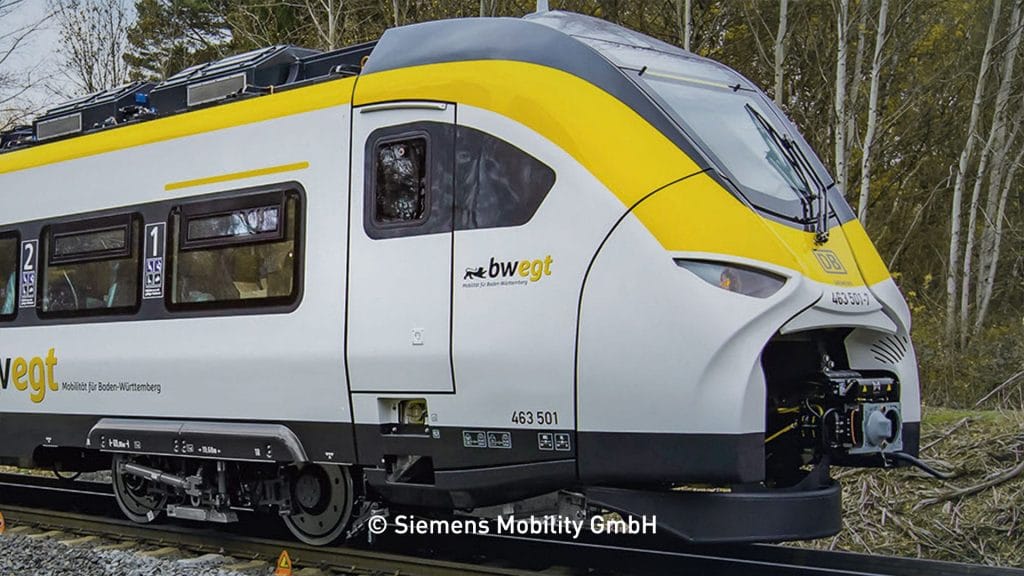
Model-based software engineering for the vehicle control unit

GETTING THERE FASTER

We speed up the development and validation of vehicle control software using model-based software engineering.

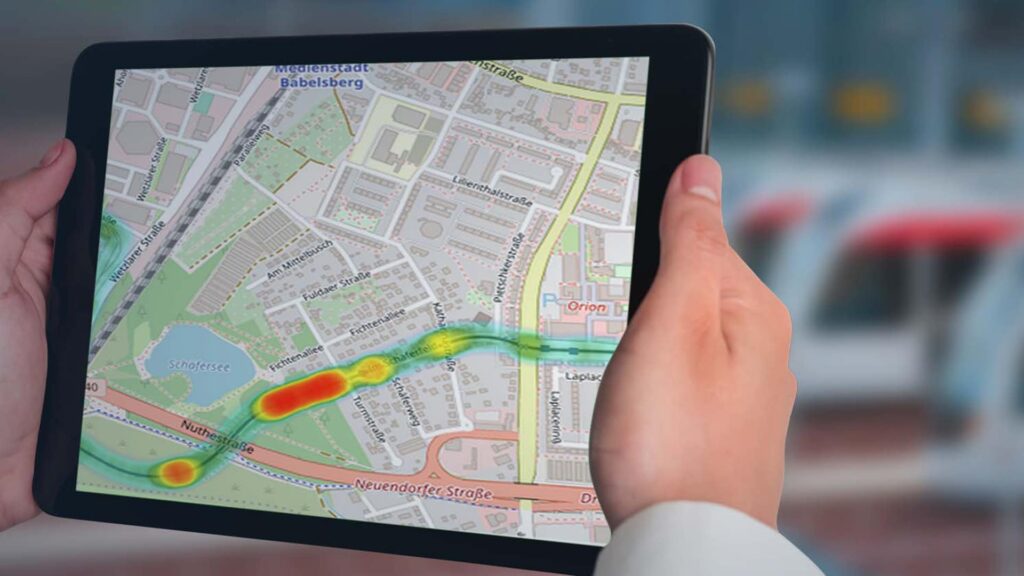
DEVELOPMENT OF IOT AND EDGE APPLICATIONS

FOR SMART RAIL OPERATIONS

By monitoring “health states,” identifying optimization potentials in the network, and enabling predictive maintenance, our application development transforms your data into knowledge.

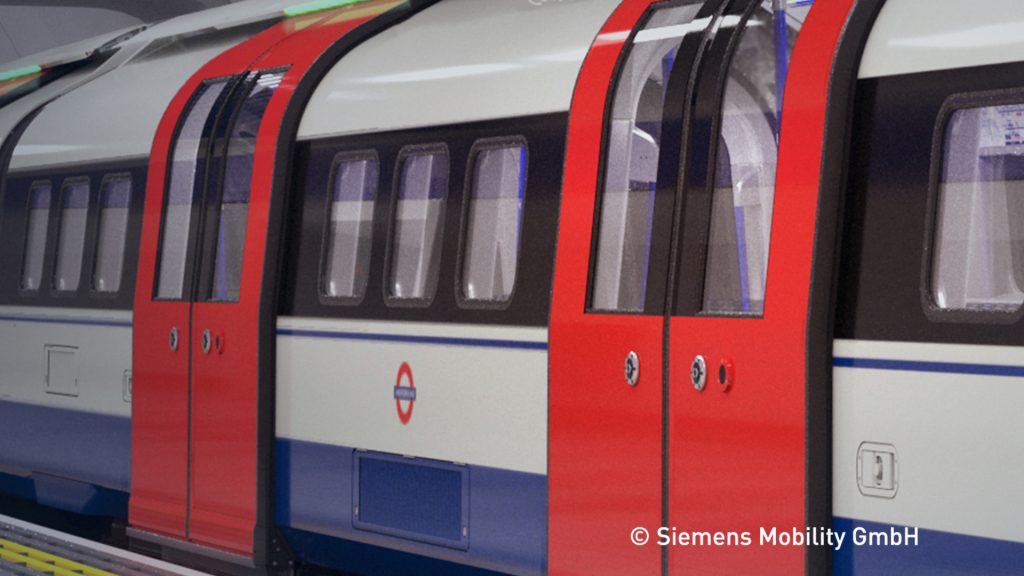
Subsystem integration for the vehicle control unit and operator network

SO IT ALL WORKS TOGETHER

When subsystem integration is performed for the vehicle control unit and operator network, we take full responsibility for combining multivendor architectures to form a functioning whole.

Innovations

WE’RE SHAPING THE FUTURE

We play an active role in both national and international research projects that are working to prepare rail vehicle technology for the challenges of future decades.

Development of a basic system

BASIS FOR THE FUTURE

By participating in international standardization projects, we’re contributing to the creation of a highly expandable and modular basic system of the future.

Device integration for SIMATIC PCS 7 / SIMATIC PCS neo

YOUR COMPONENTS IN A LEADING POSITION

Siemens’ SIMATIC PCS 7 and SIMATIC PCS neo control systems are leaders in the process industry. We take responsibility for a seamless, system-compliant integration of your products or third-party components.

PROFINET Stack Integration

WE HELP YOU MAKE IT TO THE BIG LEAGUES

You want to integrate PROFINET into your chips or devices – we handle the modification of the relevant stacks as part of a carefree package for you – right up to certification.

System integration for industrial communication

SO THAT NO DATA-POINT IS LOST

Whether it’s PROFINET, OPC UA, MQTT, or applications based on them, we take on the complete integration of products for industrial communication into your system environment.

Development of IoT and edge applications

DATA BECOMES THE BASIS FOR DECISION-MAKING

You want to turn big data into smart data. We’ll build your application – from data acquisition (connectivity) and data transmission to data evaluation and utilization.

IO-LINK LIBRARY FOR SIMATIC PCS 7/SIMATIC PCS NEO

Secure point-to-point connections in industry are relatively easy to implement with the right IO-Links. We offer you the right driver so that integration is in full compliance with the system.

TURCK Remote IO FOR SIMATIC PCS 7

The system-compliant connection of TURCK systems to the SIMATIC PCS 7 process control system doesn’t have to be time-consuming. Our function block library ensures maximum convenience at the user end.

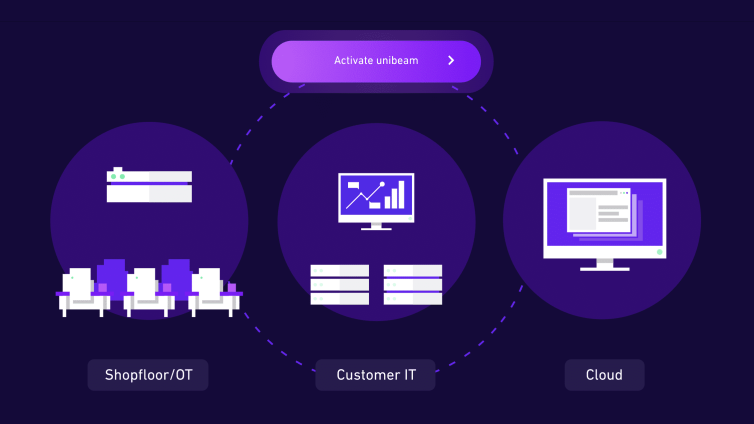
unibeam. - And suddenly it's all Smart Factory.

Do you want to experience a new generation of IIoT-platforms? Discover unibeam: an amazingly simple and efficient software to help SMEs unfold their whole potential of digitalisation.

Cyber security for component manufacturers

SECURE FROM THE START

How we help you eliminate potential vulnerabilities in your products – from product development throughout the entire lifecycle.

Cyber security for plant operators:

MORE PROTECTION FOR YOUR ASSETS

How we can help you monitor and mitigate risks during operation – supported by our combination of system, software, and security expertise.